

Let's Talk:
+971 58 512 4344
How to Train After a Minor Injury Without Making It Worse
First session is free, no commitment, no card required


 LinkedIn
 Instagram
 Published
Updated
Published
Updated
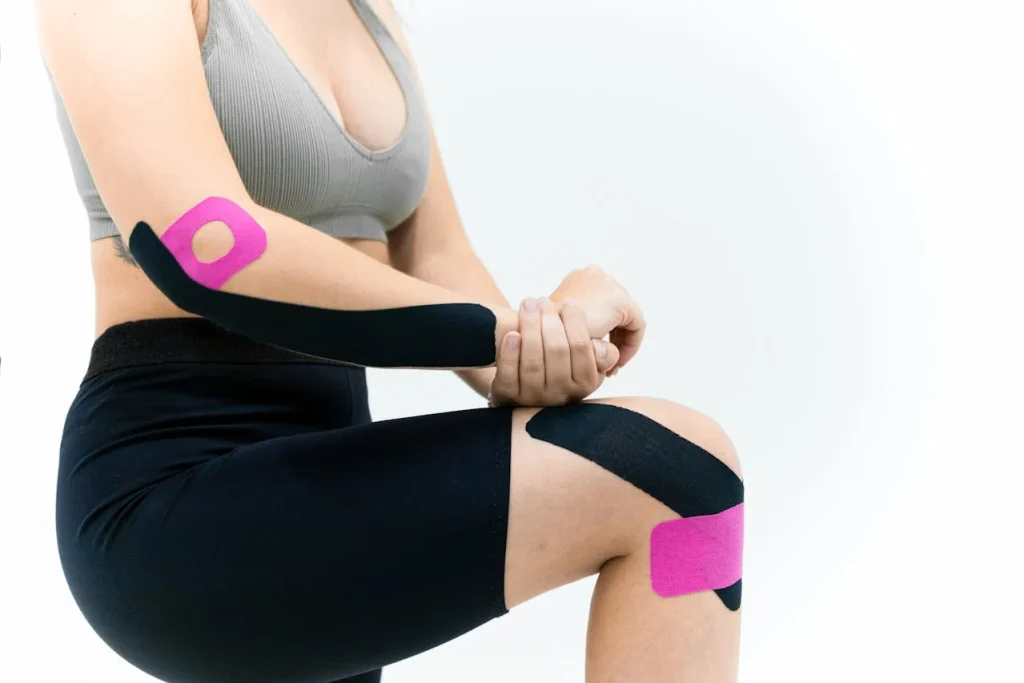
A minor injury can make training feel confusing and risky. You want to stay active, but you don’t want to make things worse. Learning how to train after a minor injury without making it worse is about balance, not pushing through pain. Many people working with a personal trainer UAE discover that smart adjustments matter more than stopping completely. With the right approach, training can support recovery instead of slowing it down.
What Counts as a Minor Injury
A minor injury is not the same as a serious or acute condition. It usually involves discomfort, stiffness, or mild pain rather than sharp pain or loss of function. Common examples include muscle strains, light joint irritation, or lingering soreness after overuse. These issues often allow movement, but not at full intensity. The key is awareness. If pain increases during or after training, the approach needs to change. Training should feel controlled and supportive, not stressful.

Why Stopping Completely Is Not Always the Answer
Many people assume rest is the only solution. While rest matters, understanding the long-term benefits of physical activity shows that maintaining gentle movement can support circulation, mobility, and recovery without interfering with healing. Gentle movement improves blood flow, keeps joints mobile, and helps muscles maintain coordination. When done correctly, training supports healing instead of interfering with it.
This is why learning how to train after a minor injury without making it worse often leads to better outcomes than stopping everything and hoping the problem disappears.
The Role of Smart Modifications
Training after a minor injury is about modification, not elimination. You adjust how you train, not whether you train. This might mean reducing load, limiting the range of motion, or changing exercise selection. The goal is to avoid stressing the injured area while keeping the rest of the body active.
Programs built around post injury fitness training are great because they focus on what you can do safely, rather than what you temporarily cannot.

How Pain Should Guide Your Training
Pain is information, not an enemy. Ignoring it leads to setbacks, but fearing it can stop progress. A good rule is that pain should not increase during the session or linger afterward. Mild discomfort that fades quickly is often acceptable, but sharp or escalating pain is not. Listening to these signals helps you train after a minor injury without making it worse and avoid turning a small issue into a long-term problem.
Exercises That Usually Work Well After Minor Injuries
Certain types of exercises tend to be safer and more effective during recovery phases. They emphasize control, stability, and low impact.
These often include:
- Controlled strength exercises with lighter loads
- Isometric holds that build strength without movement
- Low-impact cardio like walking or cycling
These movements allow training to continue while reducing stress on the injured area.

Why Technique Becomes Even More Important
When injured, small technical mistakes matter more. Poor form increases strain and slows healing. This is where working with a coach makes a difference. Many clients notice better progress when guided by a feel better trainer who prioritizes technique, breathing, and tempo.
Good technique protects joints, distributes load properly, and builds confidence during recovery.
Adjusting Training Volume and Intensity
Volume and intensity often need temporary reduction. This does not mean losing progress. It means protecting future progress. Lowering intensity allows tissues to adapt without overload. Reducing volume prevents cumulative fatigue that can irritate injuries. Training smarter during this phase helps maintain consistency, which is critical for long-term results.
The Importance of Warming Up and Cooling Down
Warm-ups and cool-downs become essential after injury. They prepare the body and support recovery between sessions. A proper warm-up increases circulation and joint readiness. Cooling down helps reduce stiffness and promotes relaxation. Skipping these steps increases the risk of aggravation, especially when trying to train after a minor injury without making it worse.

When to Modify Instead of Push Through
There is a difference between productive discomfort and harmful pain. Knowing when to modify protects your progress.
You should modify the training when:
- Pain increases as the session goes on
- Movement feels unstable or weak
- Recovery time keeps getting longer
Ignoring these signs often leads to setbacks that last much longer than the original injury.
Why Professional Guidance Matters
Minor injuries are easy to underestimate. Many people delay getting help because the issue feels manageable. Working with a personal fitness trainer Abu Dhabi helps remove guesswork. Trainers adjust exercises, track responses, and prevent bad habits from forming. Professional guidance often shortens recovery time because mistakes are corrected early.

Mental Barriers During Injury Recovery
Injuries affect the mindset as much as the body. Fear of reinjury can cause hesitation, while frustration can lead to overdoing it. Training provides structure and reassurance when done correctly. It reminds you that progress is still possible. Staying active in a controlled way builds confidence and keeps motivation intact.
Signs You Are Ready to Progress
Progression should be gradual and earned. Feeling better is only part of the equation.
You may be ready to increase the load or range when:
- Pain stays stable or decreases
- Movements feel controlled and confident
- Recovery between sessions improves
Progressing too quickly often leads to setbacks, even if the injury feels minor.

Common Mistakes That Slow Recovery
Many setbacks come from simple mistakes. These include rushing back to normal training or ignoring discomfort. Other common errors include skipping recovery days or copying workouts meant for healthy athletes. Avoiding these mistakes helps you train after a minor injury without making it worse and return stronger than before.
Training Smarter During Recovery
Learning how to train after a minor injury without making it worse is about patience, awareness, and smart adjustments. Training does not need to stop, but it does need to change. With proper modifications, attention to pain signals, and professional guidance, movement can support healing instead of delaying it. A thoughtful approach builds resilience, confidence, and a smoother return to full training.
FAQ
Sessions last 60 minutes and cost between AED 250 and AED 390, depending on the package you choose. Your first session is free, so you can meet your coach before you decide on anything.
No. Your FitForce coach brings what the session needs for bodyweight, resistance band and dumbbell training. If you have a home gym or a residents' gym in your building, your plan is built around it.
Yes. Silvia, Nevena, Katarina and Violeta are among the FitForce coaches who train women at home across Dubai. Mention your preference in the form or on WhatsApp and we match you with one of them.
Yes. Every FitForce coach is trained and experienced, and each coach's qualifications are published on their profile. FitForce operates as FIT FORCE FZ LLE, licensed in the UAE since 2024.
Most FitForce sessions run in Dubai, and our coaches also train clients in Abu Dhabi. Sharjah and the northern emirates are covered on request, so send your area and we confirm availability before you book.
For most people the value is structure: a plan built for you, technique corrected as you go, and someone expecting you at a set time. The first FitForce session is free, so you can judge it before paying for anything.
Real transformation starts with the right trainer by your side
Send your area and goal. We get back to you, match you with a certified coach and book your free first session at your place.

Find the best trainer near you
Takes 30 seconds. No email, no card.
Step 1 of 2
Our team typically responds within 15 minutes by phone or WhatsApp.